India has long viewed the Olympic Movement as a beacon for national pride, sporting excellence, and socio-economic progress. As the country contemplates hosting the Olympics, the potential benefits extend beyond medals and records. They touch on infrastructure, youth development, women’s empowerment, urban renewal, and a heightened global sporting profile. Here’s a concise exploration of why this ambition matters and how it could reshape India’s sports landscape.
1. A Grand Mission with Broad National Impact
The aspiration to host the Olympics is not just about a single event; it’s a strategic drive to mobilize resources, institutions, and public imagination toward sustained athletic development.
By aiming high, India signals to schools, communities, and aspiring athletes that international-level performance is attainable with long-term investment and coordination.
2. Infrastructure Leap: Stadiums, Training Centers, and Venues
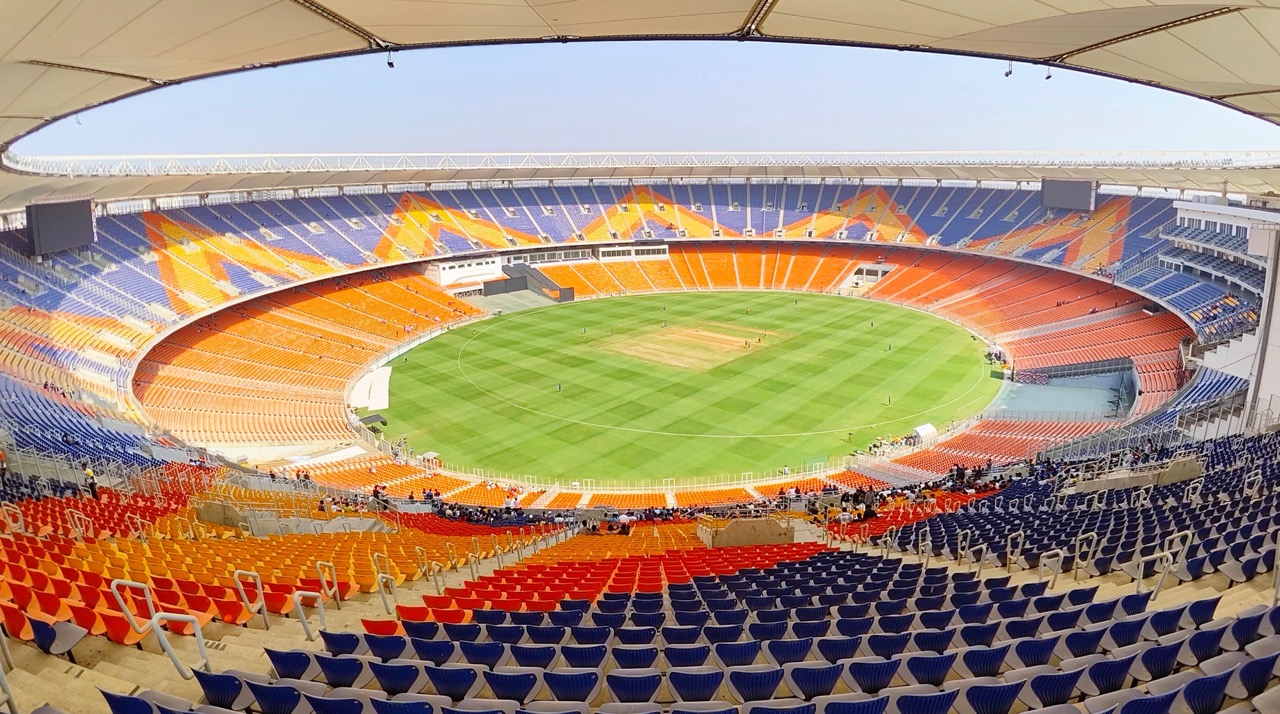
Hosting requires world-class venues, better stadiums, and extended sports infrastructure that remains usable long after the Games.
Expect upgrades to municipal facilities, integrated sports complexes, and climate-resilient arenas that can host national and continental events.
Legacy venues can serve as community hubs, enabling talent identification and inclusive access to sports infrastructure.
3. Grassroots to Global Pathway: Talent Identification and Development
A Games bid typically accelerates youth talent programs, coaching quality, and sports science integration across tiers of competition.
Comprehensive athlete pipelines—from school-level programs to national camps—can improve discipline, nutrition, analytics, and injury management.
With a broader talent pool, India can raise its medal potential across more disciplines, including those with rising global competitiveness.
4. Economic and Market Stimulus for Sports Ecosystems
Olympic hosting often unlocks private-public funding, creating a more vibrant sports economy with sponsorships, media rights, and tourism spillovers.
New careers emerge beyond elite athletes: coaches, physiotherapists, analysts, event organizers, and sport-tech innovators.
The boost to domestic sports industries—equipment manufacturing, apparel, and digital engagement platforms—can foster inclusive growth.
5. Social Transformation: Women’s Empowerment and Youth Engagement
The pursuit of Olympic hosting can catalyze progressive gender parity in sports participation and leadership roles.
Youth, especially from underrepresented communities, gain role models and pathways to education through sports scholarships and organized programs.
Community-led events and urban sports strategies can improve public health, safety, and social cohesion.
6. Global Standing and Soft Power
Successfully hosting or even bidding truthfully raises a nation’s standing in the global sports arena, attracting partnerships with international federations, sponsors, and talent exchanges.
It offers opportunities to showcase India’s cultural richness alongside its athletic ambitions, reinforcing a positive national narrative.
7. Roadmap: How India Could Build a Strong Sports Narrative Through Olympic Ambition
Short-term (0–5 years): Establish a national Olympic readiness framework, invest in elite coaching and sports science, pilot regional training hubs, and improve nationwide sports data systems.
Medium-term (5–10 years): Demonstrate progress with high-profile international events, expand talent pipelines, upgrade transport and urban infrastructure around key venues, and secure sustainable funding models.
Long-term (10+ years): Host the Olympic Games, leveraging legacy facilities for community sport, continuing athlete development, and cementing India’s status as a premier destination for global sport innovation.