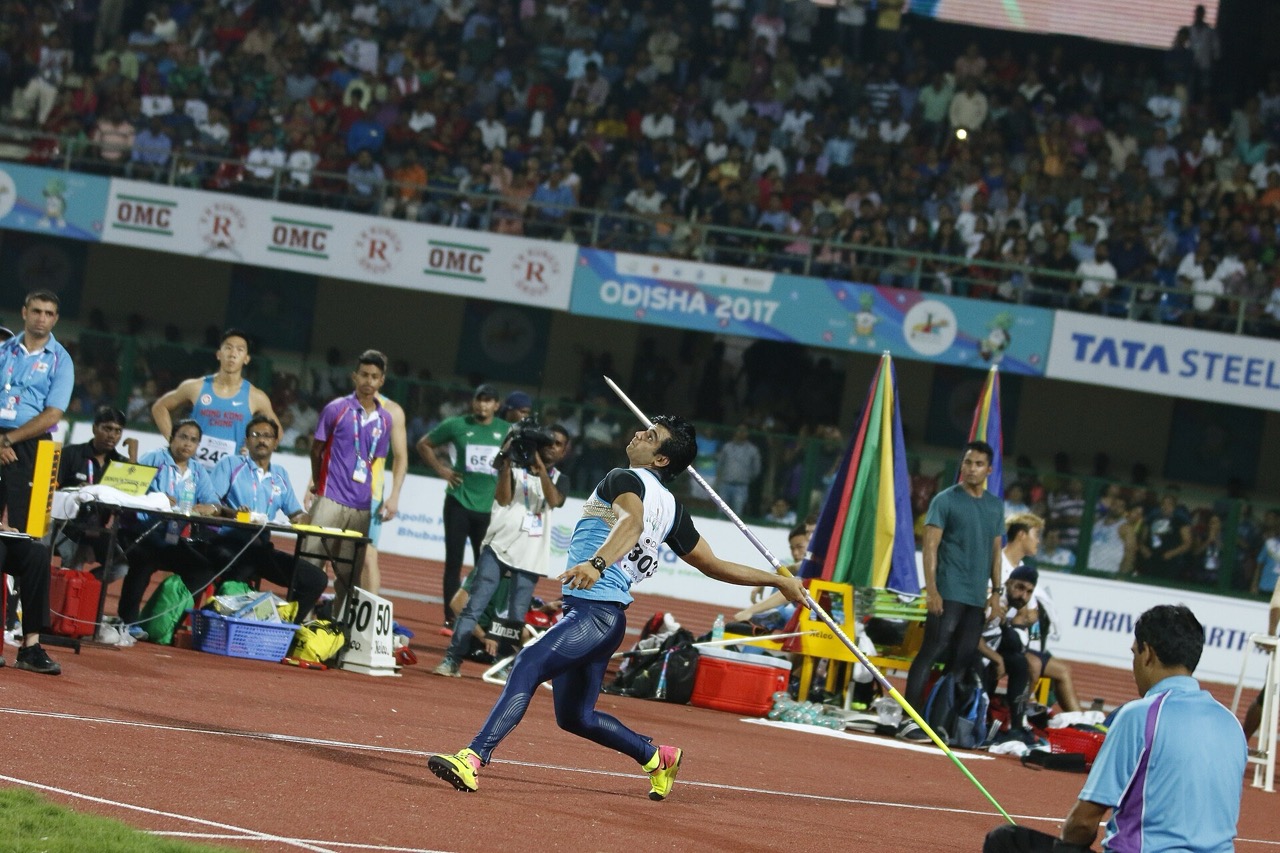

India has witnessed a remarkable shift in how communities engage with sports. From traditional games to modern, organized frameworks, participation at the grassroots level is expanding, driven by policy support, technological connectivity, and a renewed cultural emphasis on physical fitness and teamwork. Here’s a comprehensive look at the factors, trends, and implications shaping this growth.
1. Policy and government initiatives
Policies and programs at the central and state levels have created more avenues for community involvement.
Khelo India Scheme: A flagship initiative aimed at reviving the sports culture in India, identifying and nurturing talent, and increasing access to facilities at the grassroots level.
Earn While You Play: Some state-level programs encourage local coaches, organizers, and athletes by providing stipends, and micro-funding.
School Sports integration: Mandates or incentives for schools to include regular sports, creating a pipeline from classrooms to local clubs.
Community centers and panchayat-driven sports activities have become common in rural and semi-urban areas, turning open spaces into multi-sport hubs.
2. Demographic and social drivers
Young population and urban migration: A large youth cohort seeks recreational outlets beyond academics and work, fueling participation in community leagues and informal tournaments.
Education and awareness: Greater emphasis on physical education, health literacy, and the benefits of teamwork and discipline.
Gender inclusion: Initiatives to increase female participation are expanding access to mats, fields, and coaching, though disparities persist in some regions.
3. Technology and data-enabled participation
Digital platforms for local sports: Apps and portals connect players, clubs, and volunteers, simplifying registration, scheduling, and talent spotting.
Social media and community storytelling: Local heroes and grassroots clubs gain visibility, inspiring others to join and form new groups.
Wearables and tracking: Affordable fitness tech helps individuals monitor progress, fostering sustained involvement and community competitions.
4. Grassroots infrastructure development
Multi-use facilities: Parks, school grounds, and community centers are being repurposed into informal courts and fields, widening access.
Coach and official development: Training programs for volunteer coaches, referees, and organizers help sustain organized community activity.
Local tournaments and leagues: Regular neighborhood leagues in cricket, football, badminton, kabaddi, and traditional games create recurring participation and social bonding.
5. Cultural and traditional influence
Revival of indigenous sports: Kabaddi, Kho-Kho, and other traditional games are being integrated with modern coaching, creating a bridge between heritage and contemporary sports culture.
Festivals and community events: Sporting components within cultural gatherings encourage participation across ages and backgrounds.
6. Economic and health impacts
Local economies: Community sports events spur micro-business opportunities, equipment vendors, food stalls, transport services, and sponsorship from local brands.
Health benefits: Increased physical activity reduces lifestyle-related health risks and improves mental well-being, particularly among youth and elderly participants.
Talent discovery: A broader, inclusive participation base increases the likelihood of discovering diverse talent, leading to potential national-level athletes.
7. Challenges and opportunities
Resource gaps: Unequal access to quality facilities and coaching in rural vs. urban areas remains a challenge.
Sustained funding: Long-term financial support for grassroots clubs and local leagues is crucial for continuity.
Safety and inclusivity: Ensuring safe environments and inclusive participation for women, people with disabilities, and marginalized communities is essential.
Data-driven growth: Collecting reliable data on participation rates helps policymakers tailor programs effectively.
8. Case studies and inspiring examples
Rural clubs turning spaces into hubs: In several states, volunteers mobilize community spaces for regular practice sessions, weekly matches, and talent scouting.
School-to-club pathways: Schools partnering with local clubs create a seamless transition for students who want to continue competing after graduation from school-level competitions.
Women’s participation surges: Local leagues and women-only training centers have expanded access, with several female athletes gaining recognition through municipal and state programs.
9. The road ahead
Integrated ecosystem: A coordinated approach combining government programs, private-sector partnerships, and civil society will be key to sustaining growth.
Scale and replication: Successful community models can be adapted across districts with similar demographics and resource profiles.
Youth-centric design: Programs that emphasize skill development, mentorship, and pathways to higher competition will attract and retain participants.